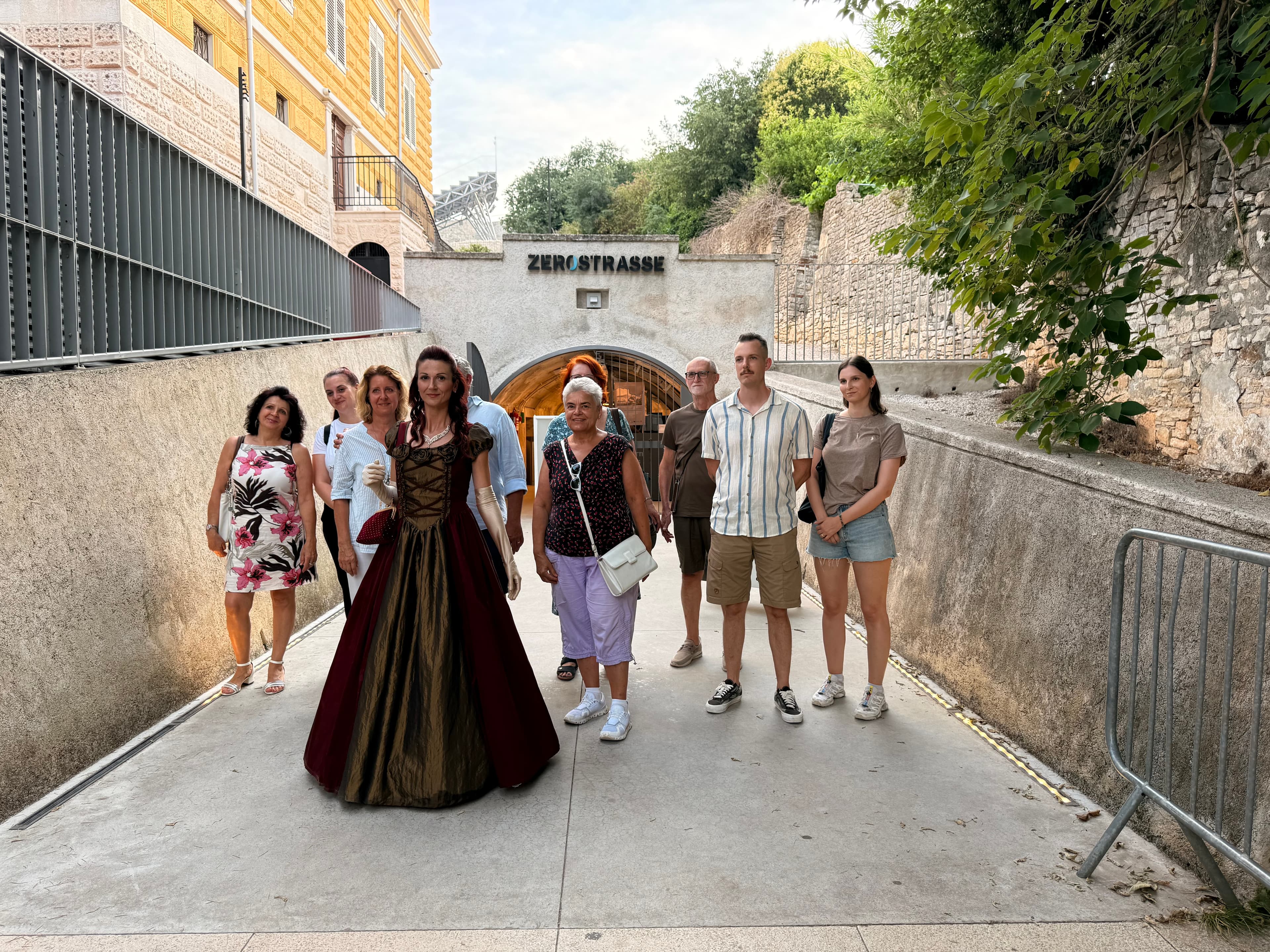
What Actually Happens on My Free Walking Tour (and Why Pay-What-You-Want Still Works)
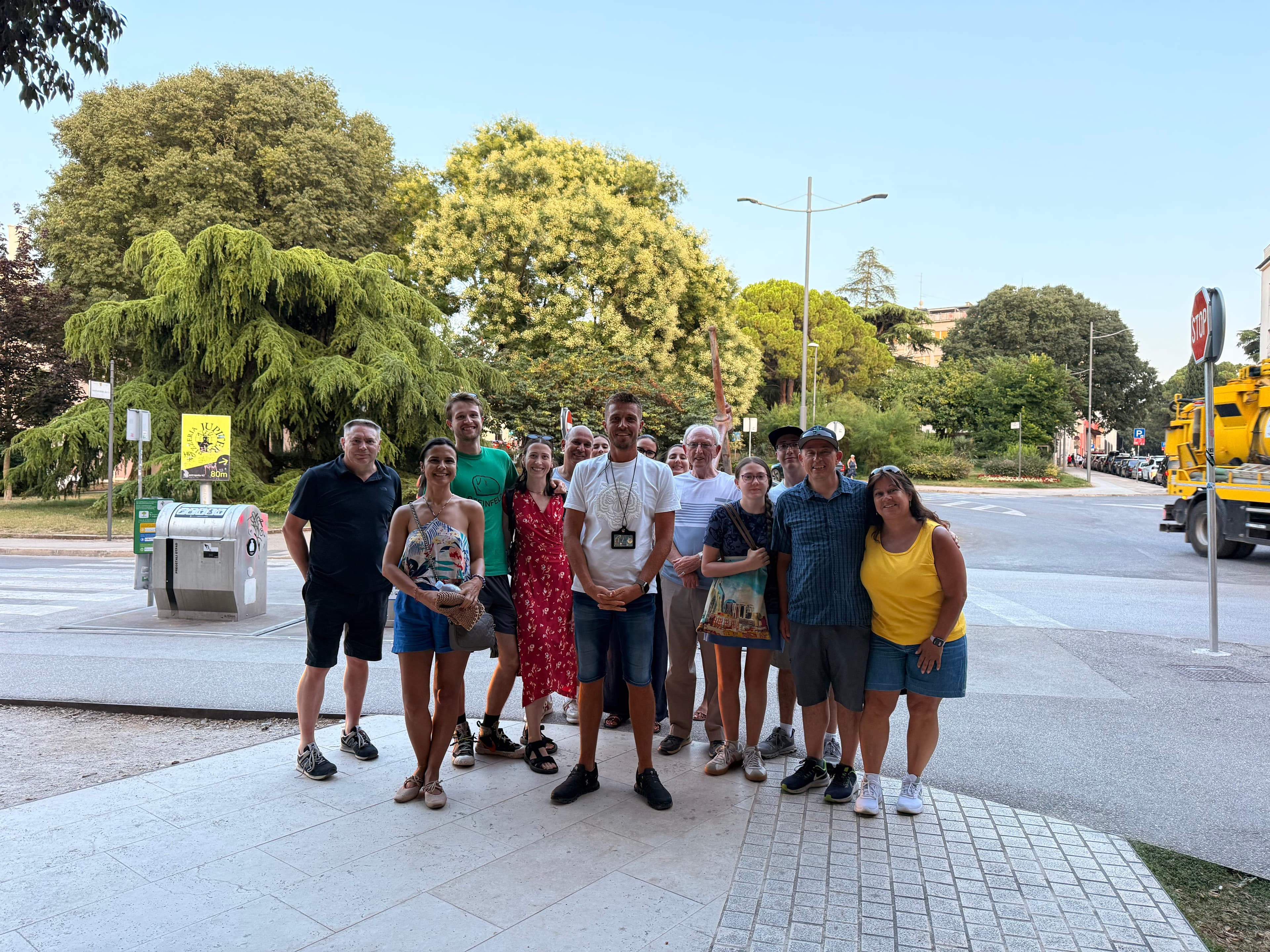
Eight years of guiding in Pula, pay-what-you-feel-it-was-worth, in any weather. Here's what really happens on the tour and why I haven't switched to a fixed price.
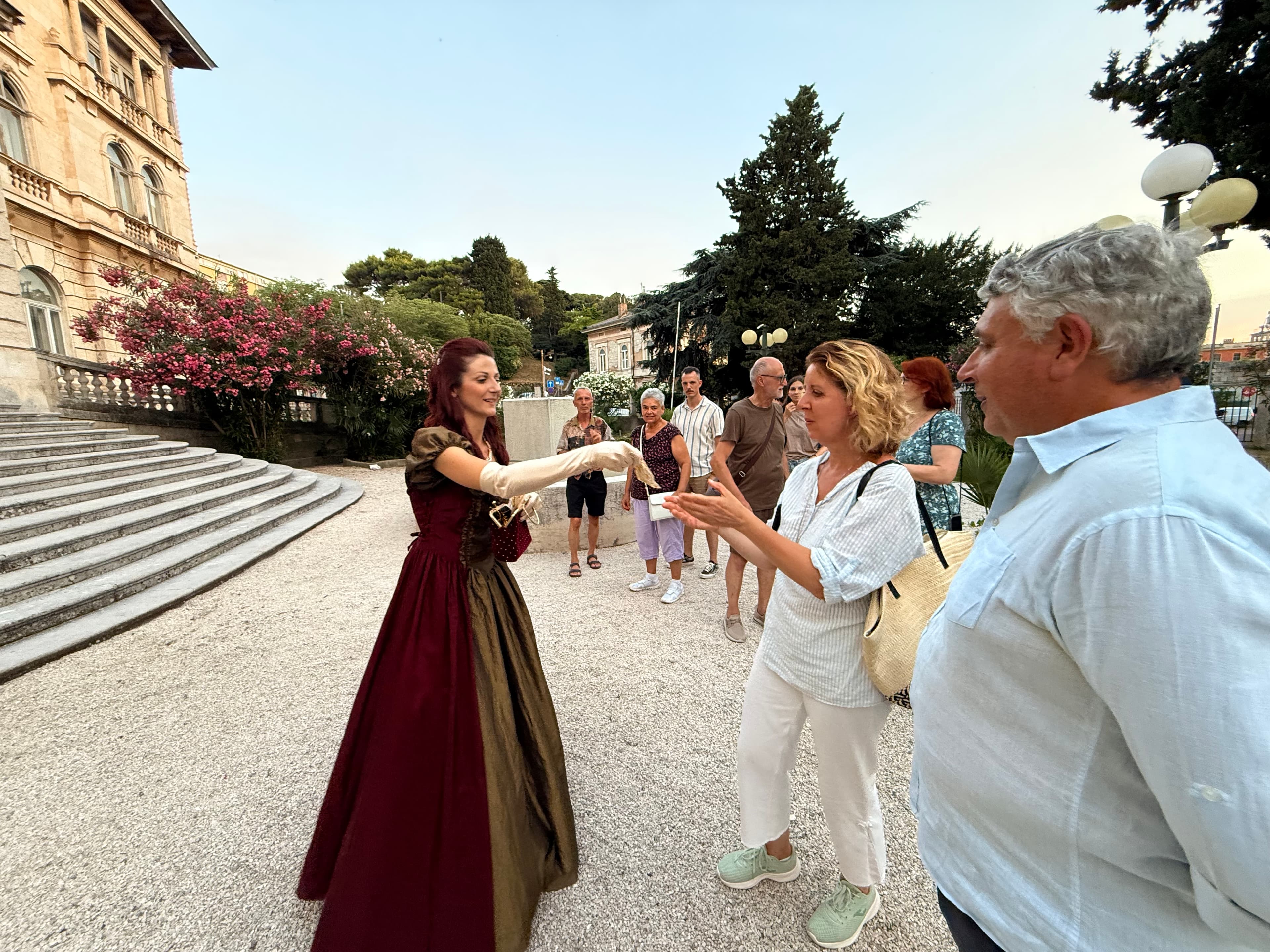
From the walk
Things I talk about on the tour, written down for anyone who wants more than the two-hour version.

Eight years of guiding in Pula, pay-what-you-feel-it-was-worth, in any weather. Here's what really happens on the tour and why I haven't switched to a fixed price.

My tour covers Pula, not the islands. Here's my honest take on whether Brijuni is worth your one free day, and how to actually get there.

Vodnjan's church holds mummified saints on open display — genuinely fascinating or genuinely unsettling, depending who you ask. An honest look at Istria's oddest day trip.

No entry fee drama, no beach bars blasting music — just limestone cliffs, clear coves, and room to breathe. Here's how I send my guests to Kamenjak.

I always stop groups at the cathedral last. By then they've seen the Arena, and the stones start talking to each other.

Two unglamorous stops on my Pula tour that get more laughs than the Arena does. Here's why I keep them in the route.

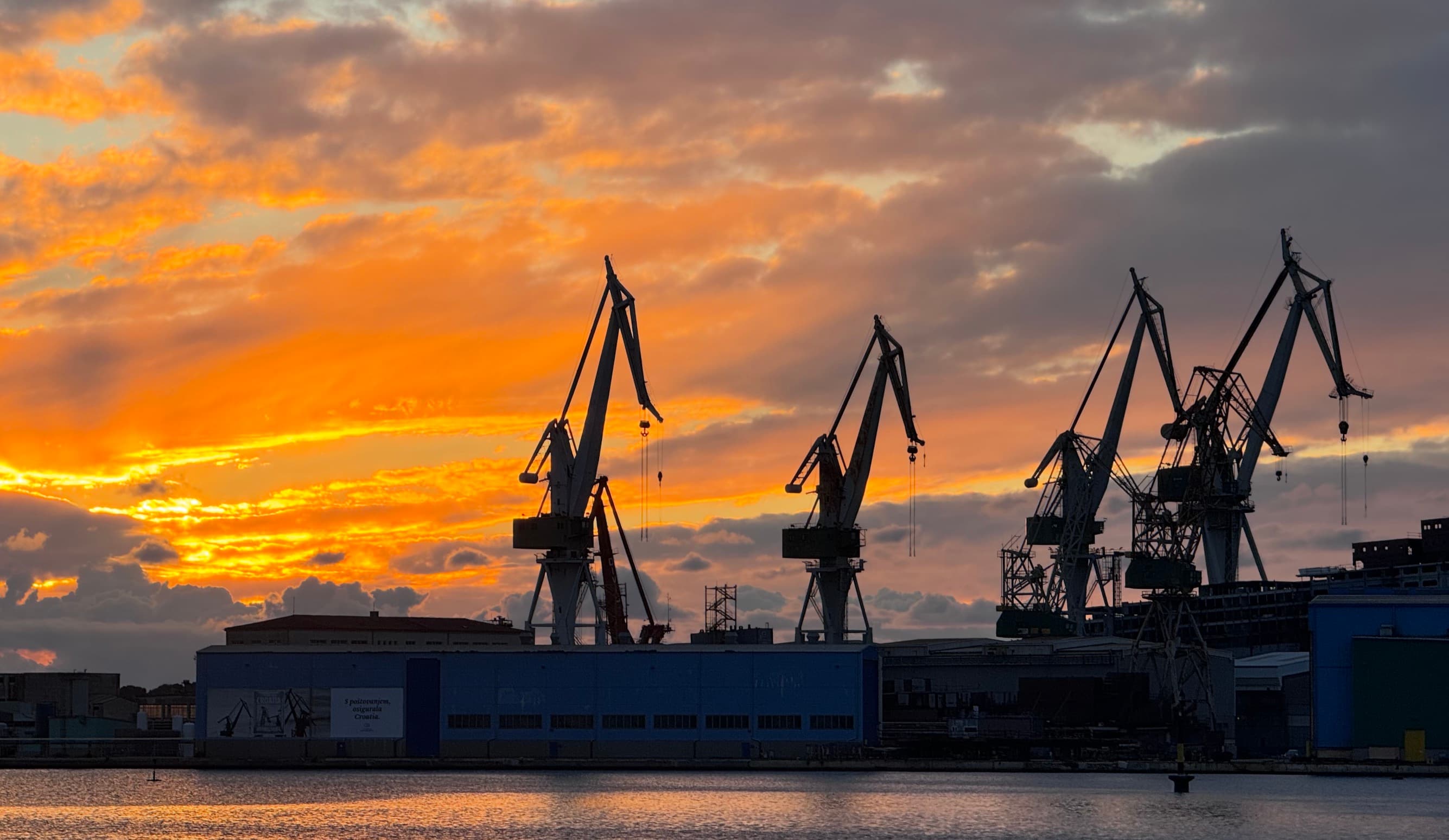
Two giant cranes still rule Pula's skyline. Here's the real story of the shipyard that shaped the city, its workers, and what's left of it today.

On a walk along Pula's coast, I stop at a modest monument most visitors miss. Here's the story of Vergarolla, and why it still matters.

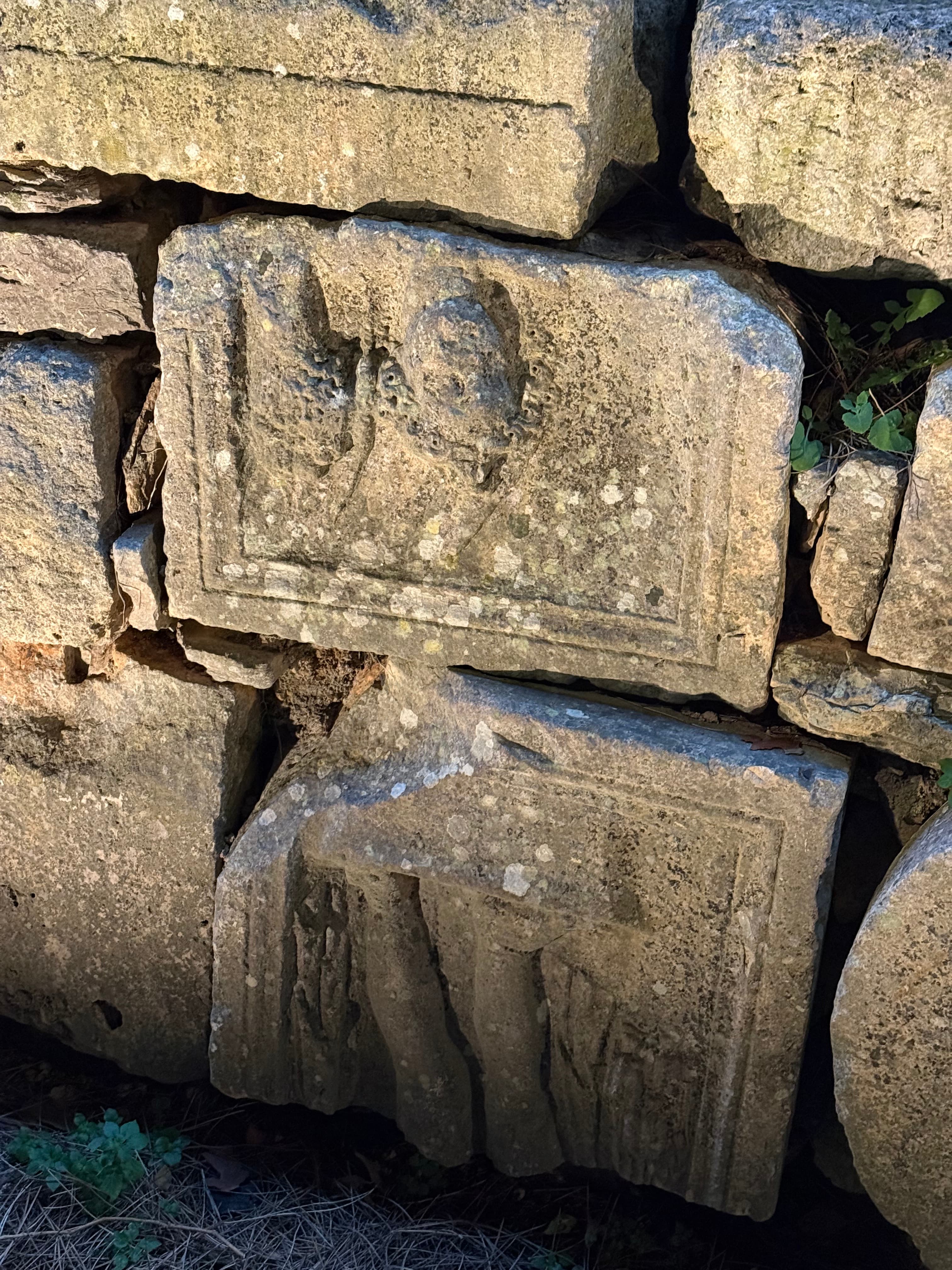
There's a Roman relief of Dirce and the bull built into a wall in Pula's old town — small, worn, and almost nobody notices it. Here's the myth, and what we actually know.

A Roman funerary monument hidden behind an ordinary Pula wall - no fixed date, no known owner, just eight sides of stone nobody ever tore down.

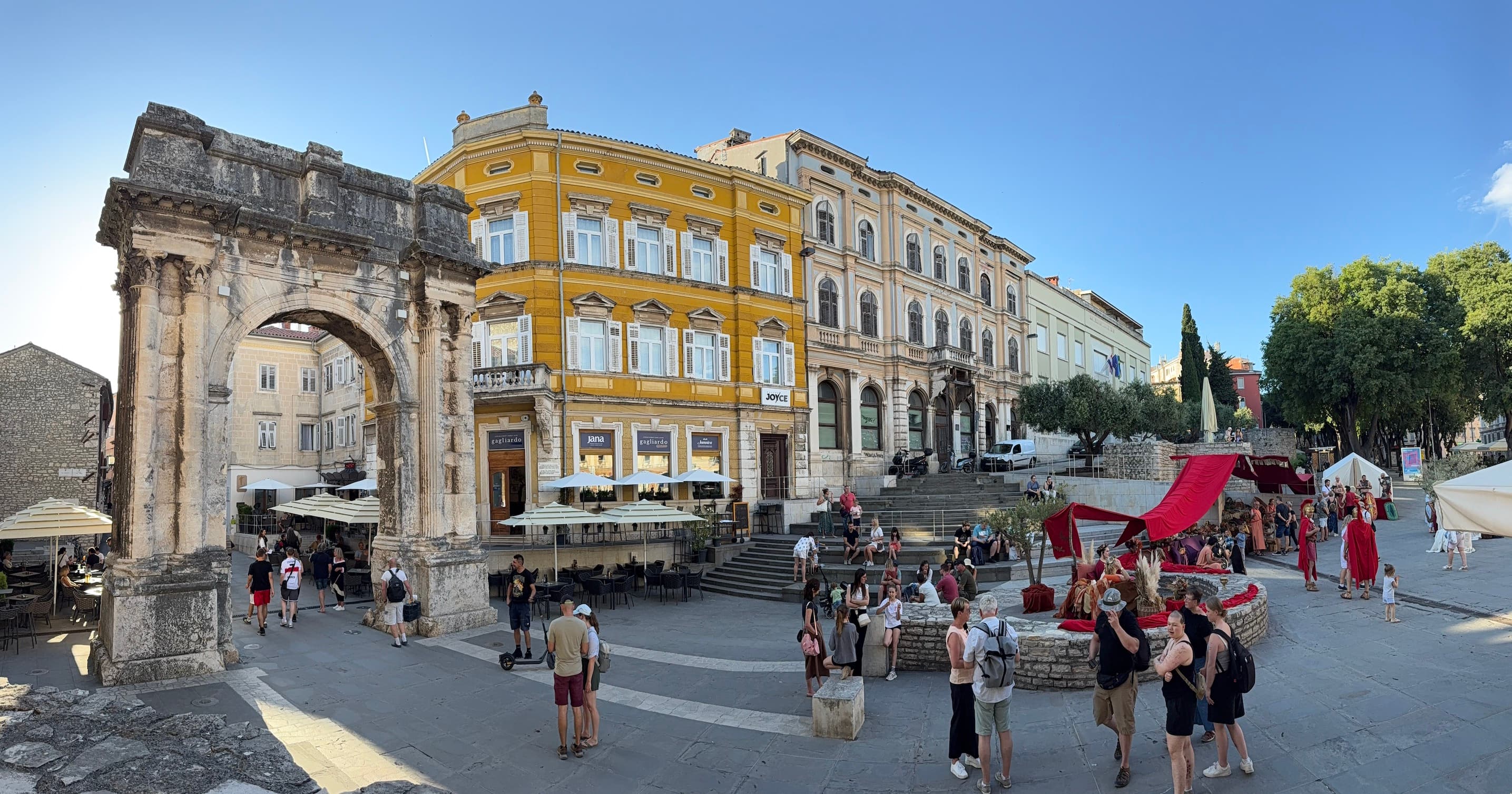
Forget the Arena for a minute. These two unassuming stone gates are older, quieter, and honestly the part of Pula I like showing people most.

It doesn't photograph like the Arena and nobody queues for it, but Pula's Nymphaeum is where you actually see how a Roman city kept itself running.

For close to five hundred years Pula was basically a ghost town with a Roman arena sticking out of it, and that's the whole reason the Arena is still standing today.

Tourists ask me about truffles in July when there aren't any, and about Malvazija like it's one thing when it's not. Here's what's actually in the glass and on the plate if you eat where I eat.

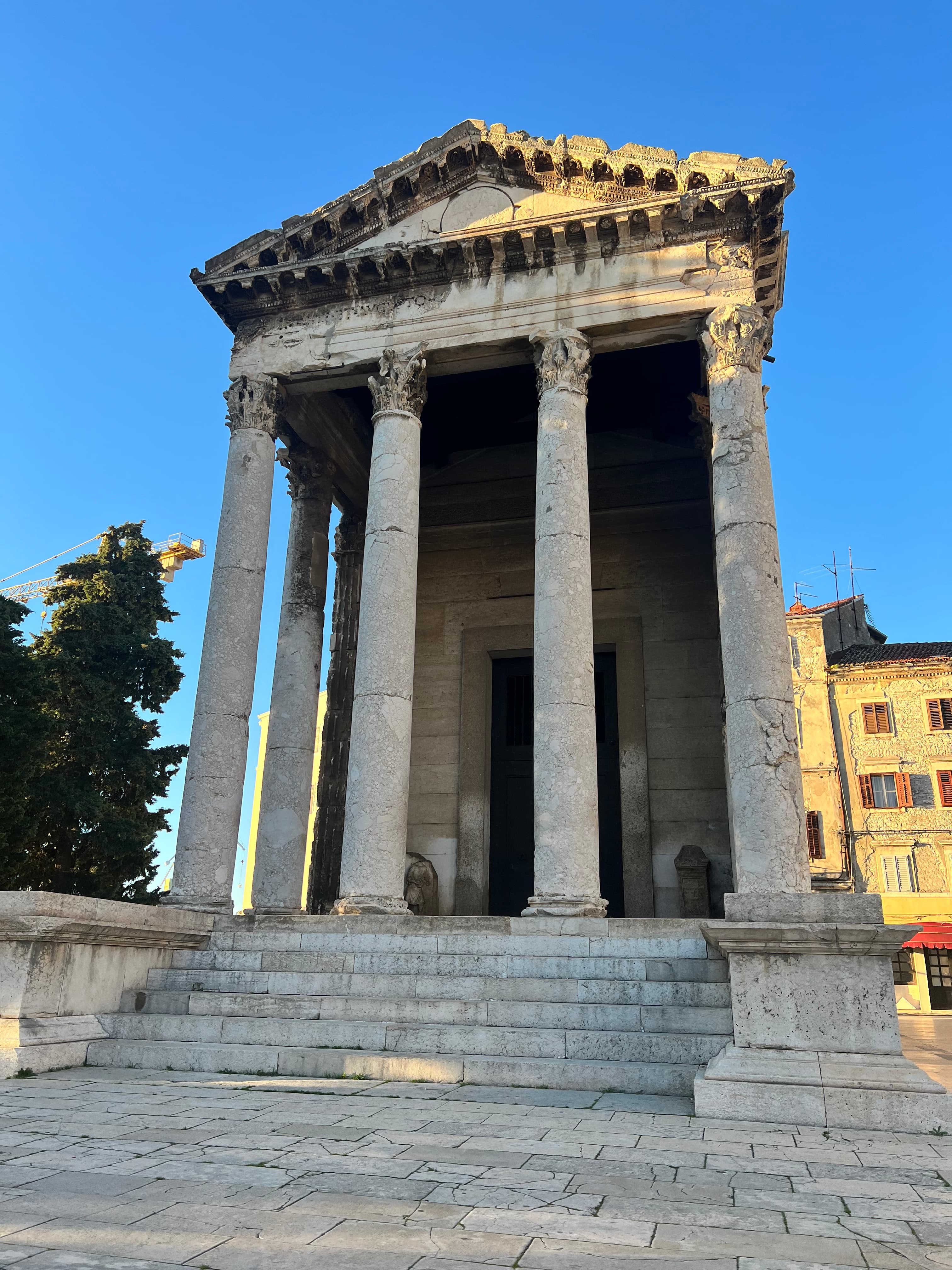
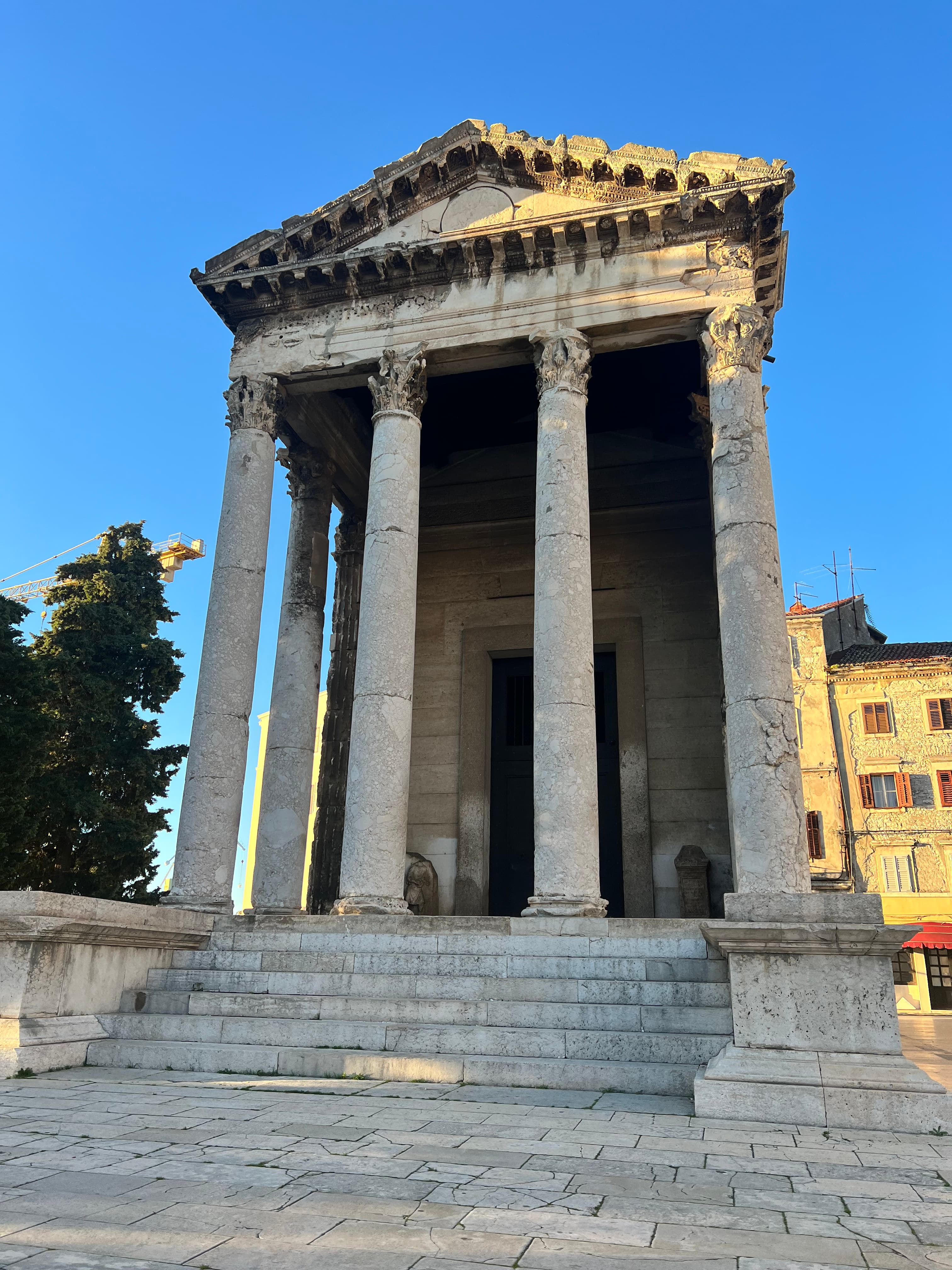
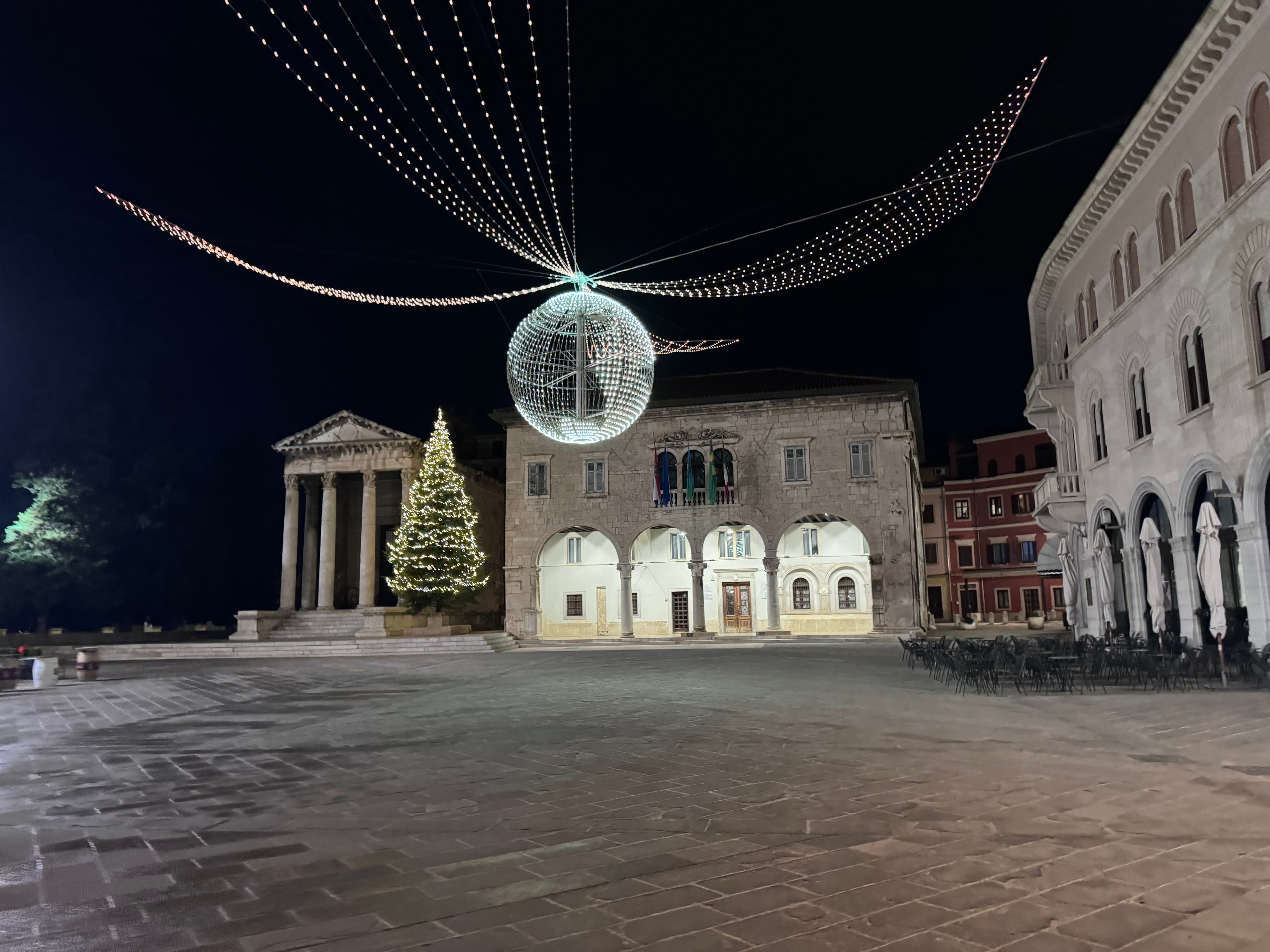
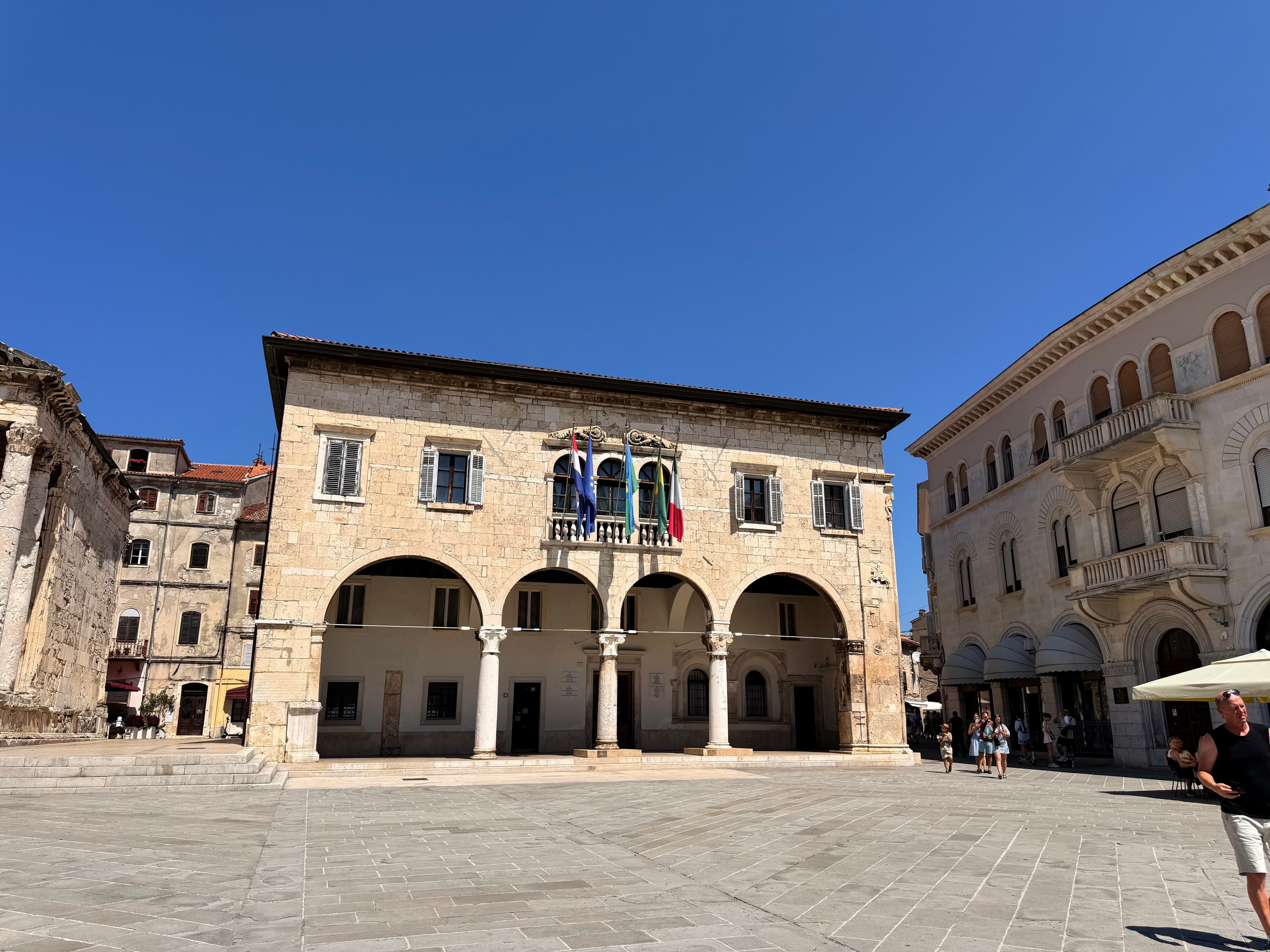
Most people walk through the Forum, snap a photo of the temple and move on. I usually stop them, because the story of that building is a lot stranger than it looks.

Where people from Pula buy their vegetables, swim after work, and drink their coffee. None of it is a secret, it is just never on the itinerary.

In 1850 Pula had under a thousand people. Sixty years later it was the Austro-Hungarian Navy's main base with over 50,000. That transformation built most of the city you actually walk through today.

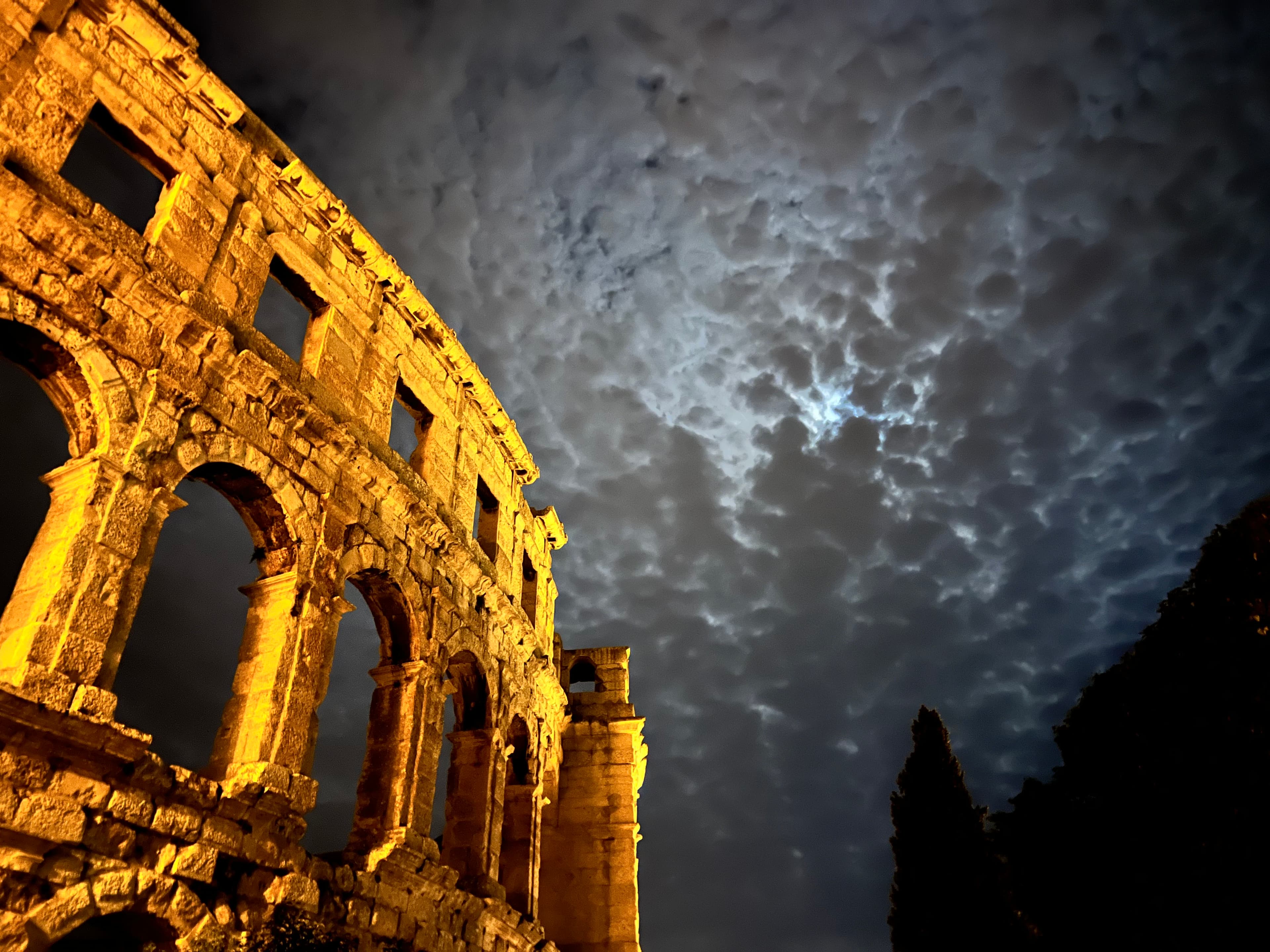
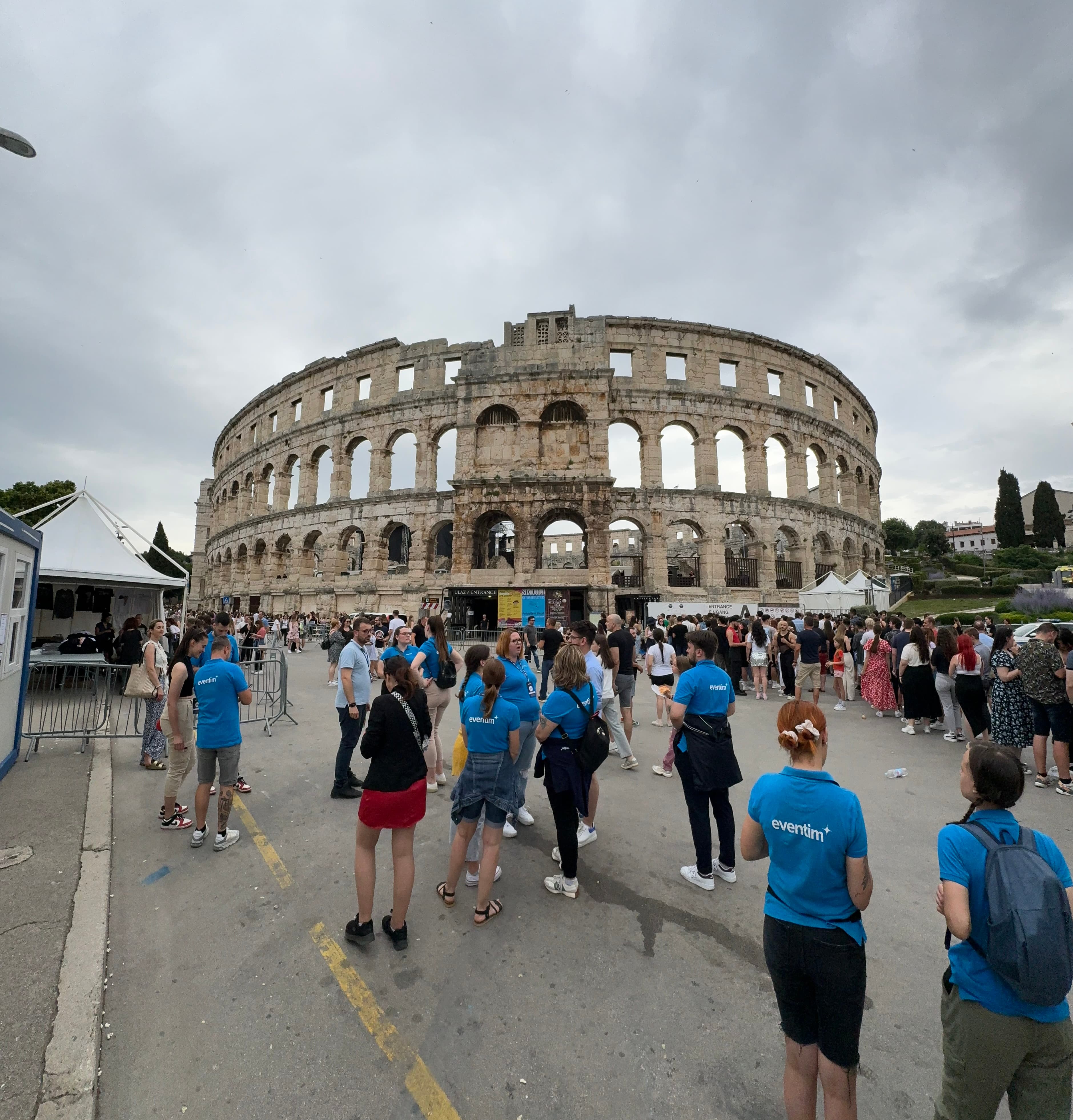
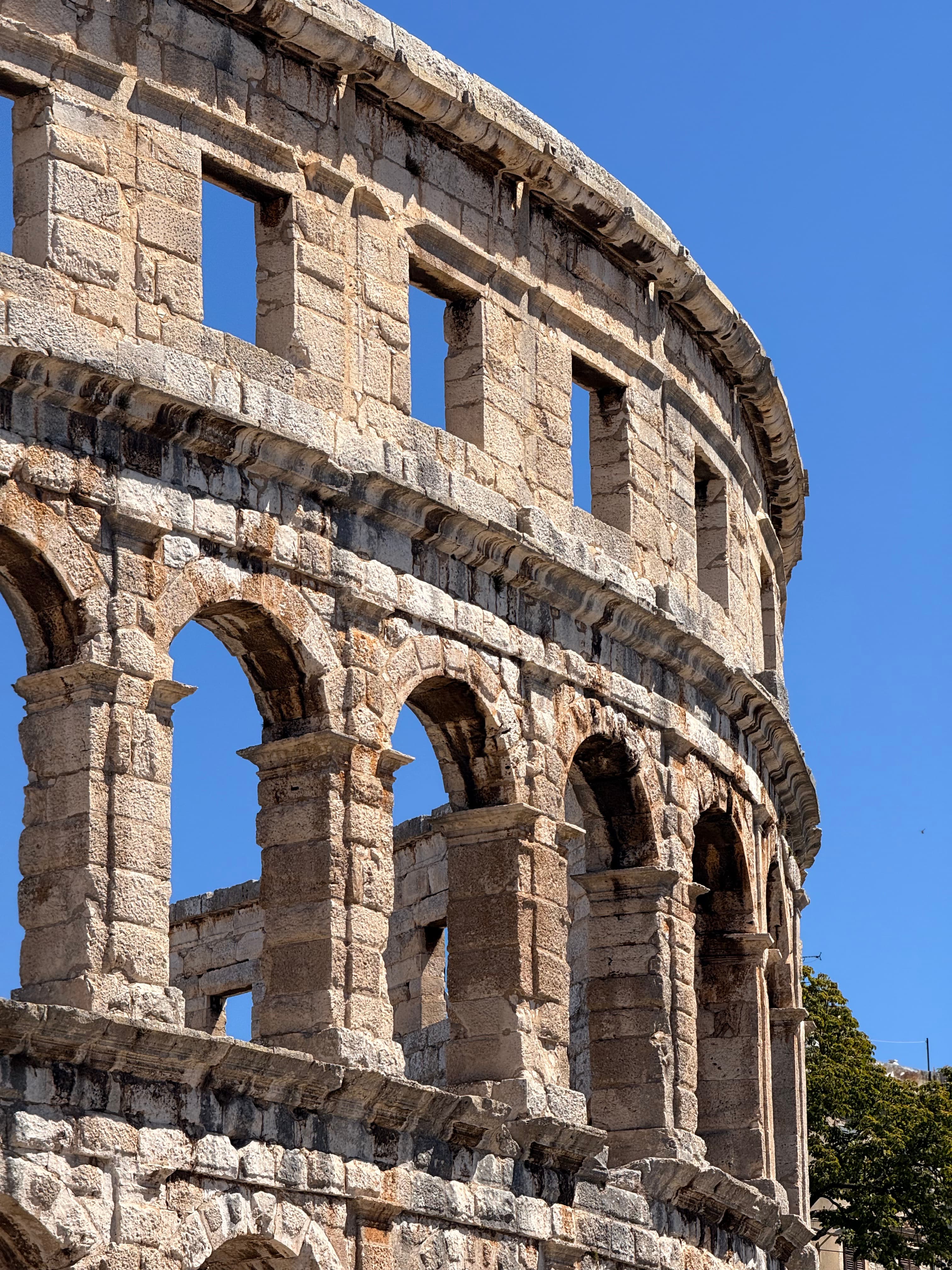
Everyone photographs the amphitheatre from the same three angles. Here is what the stones can actually tell you, from the water system under your feet to why all four towers are still standing.

They couldn't vote or hold office — so how did Roman women shape their cities? Meet Salvia Postuma and the female patrons who built the ancient world in stone.

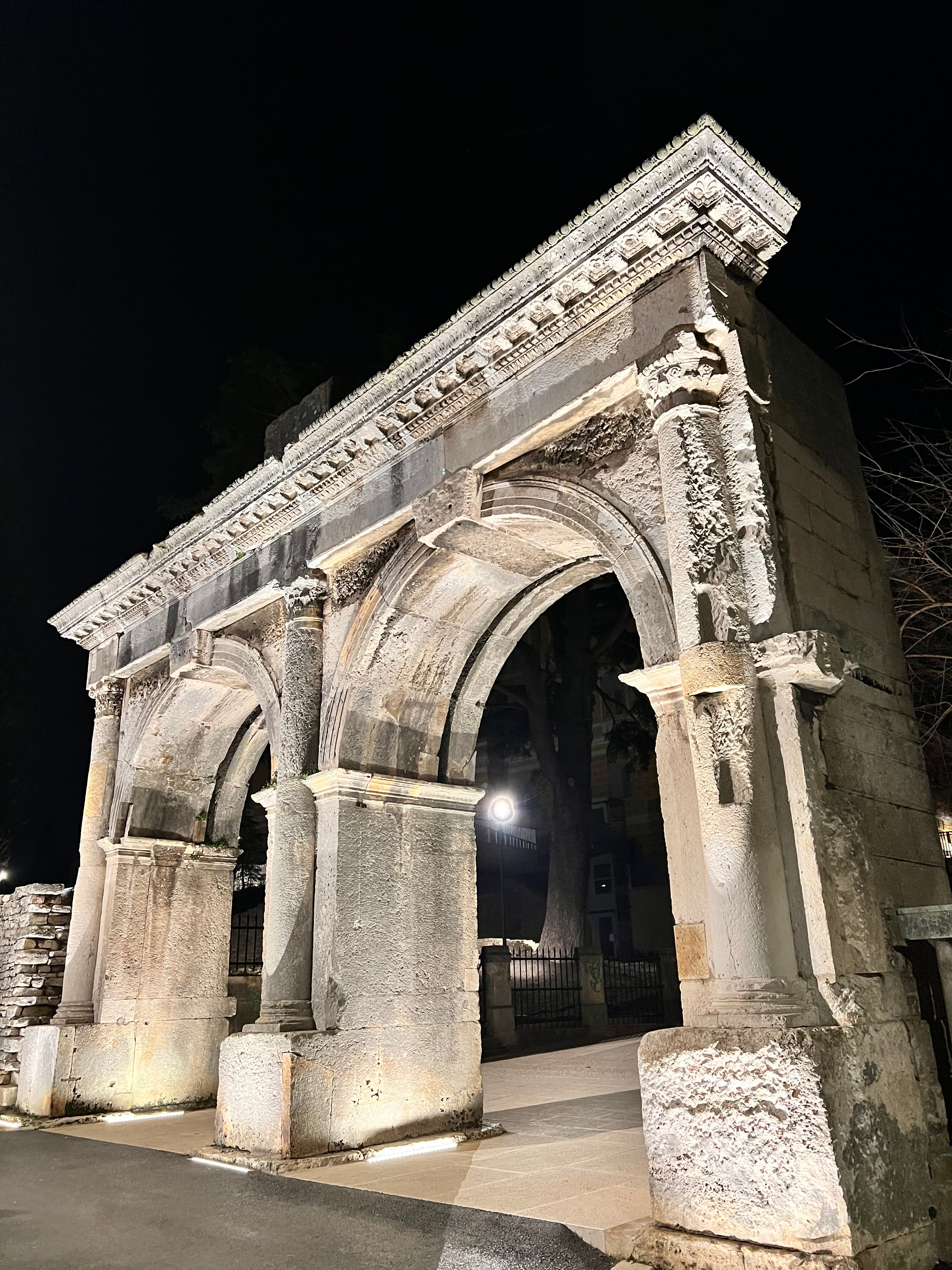
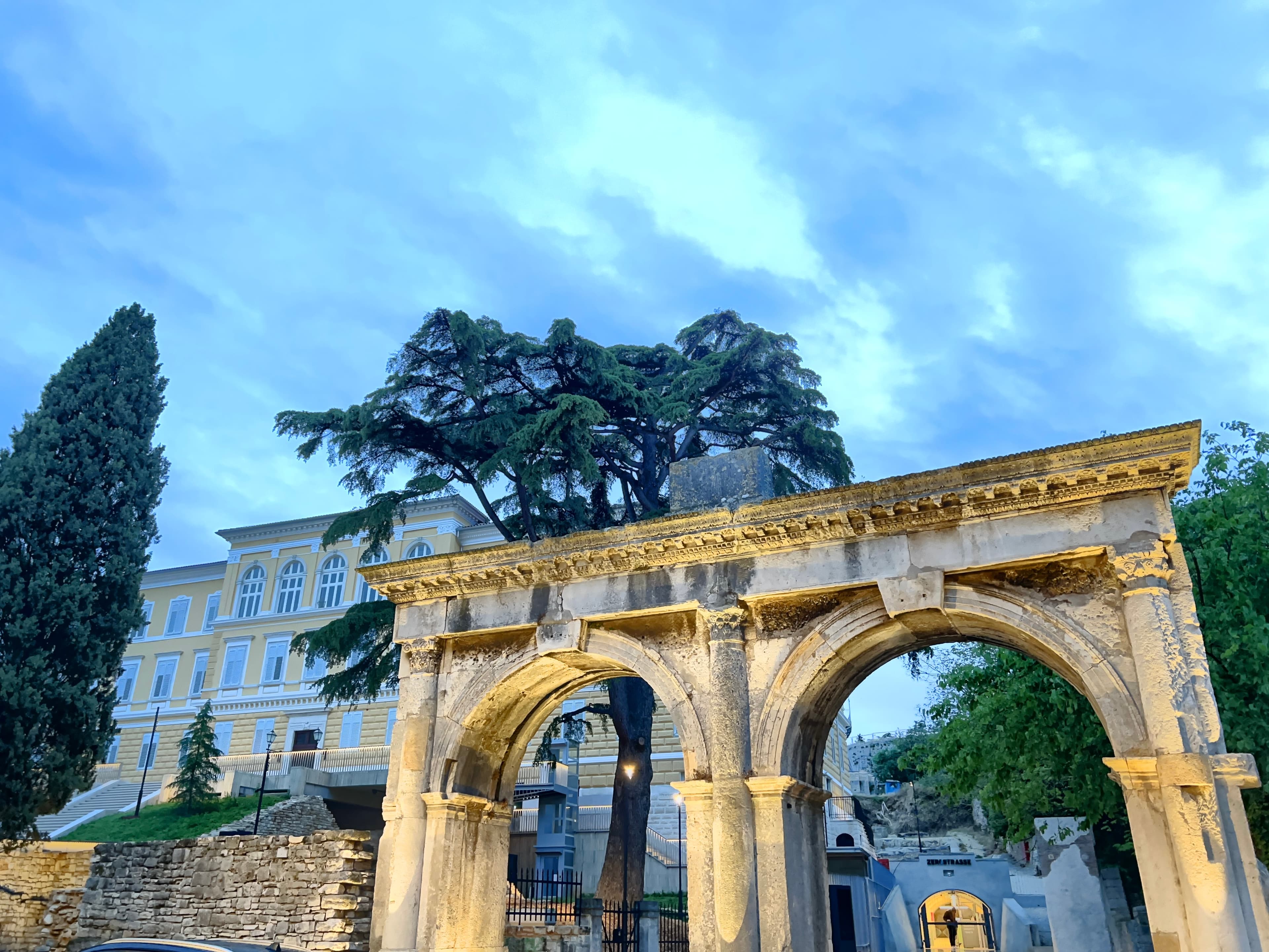
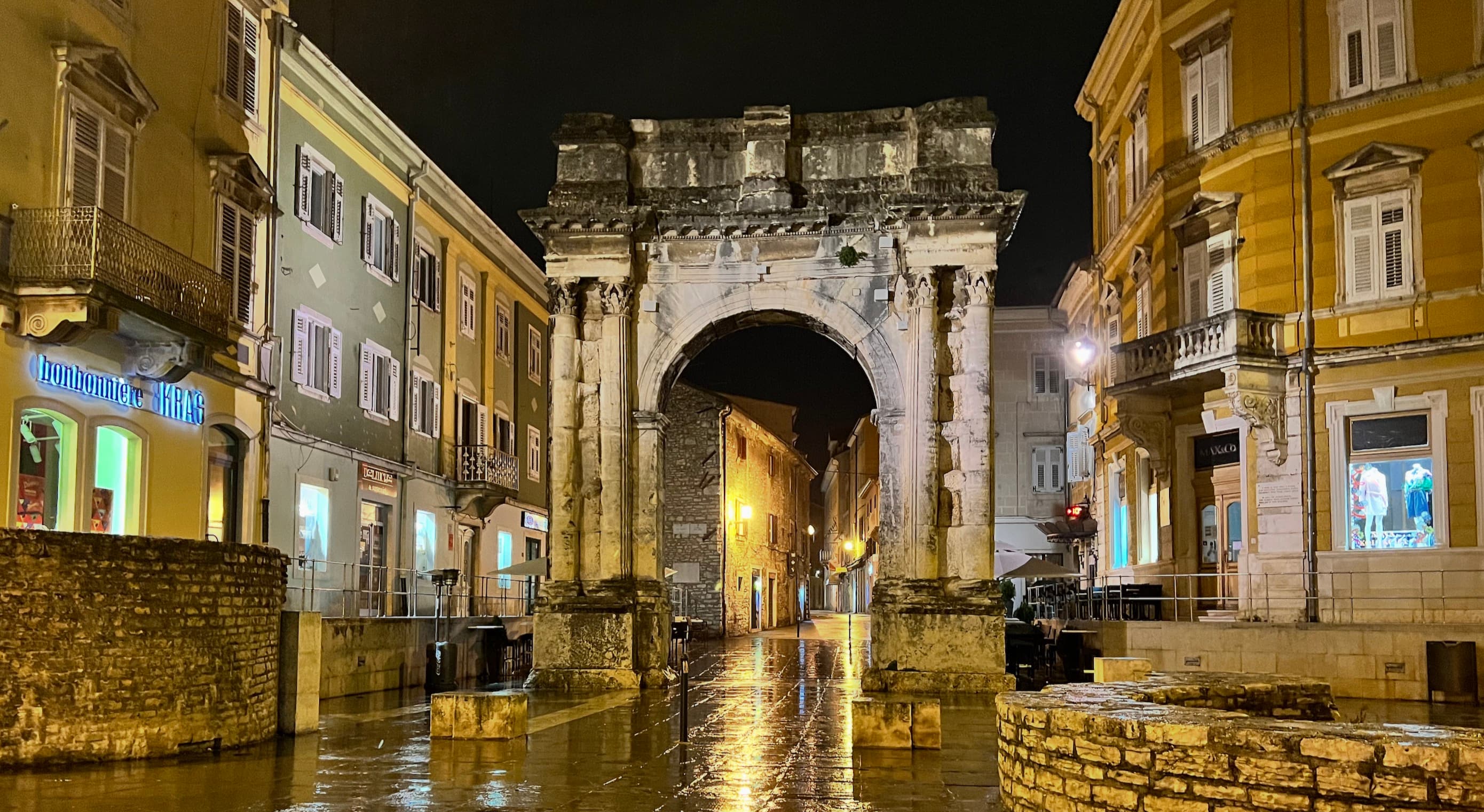
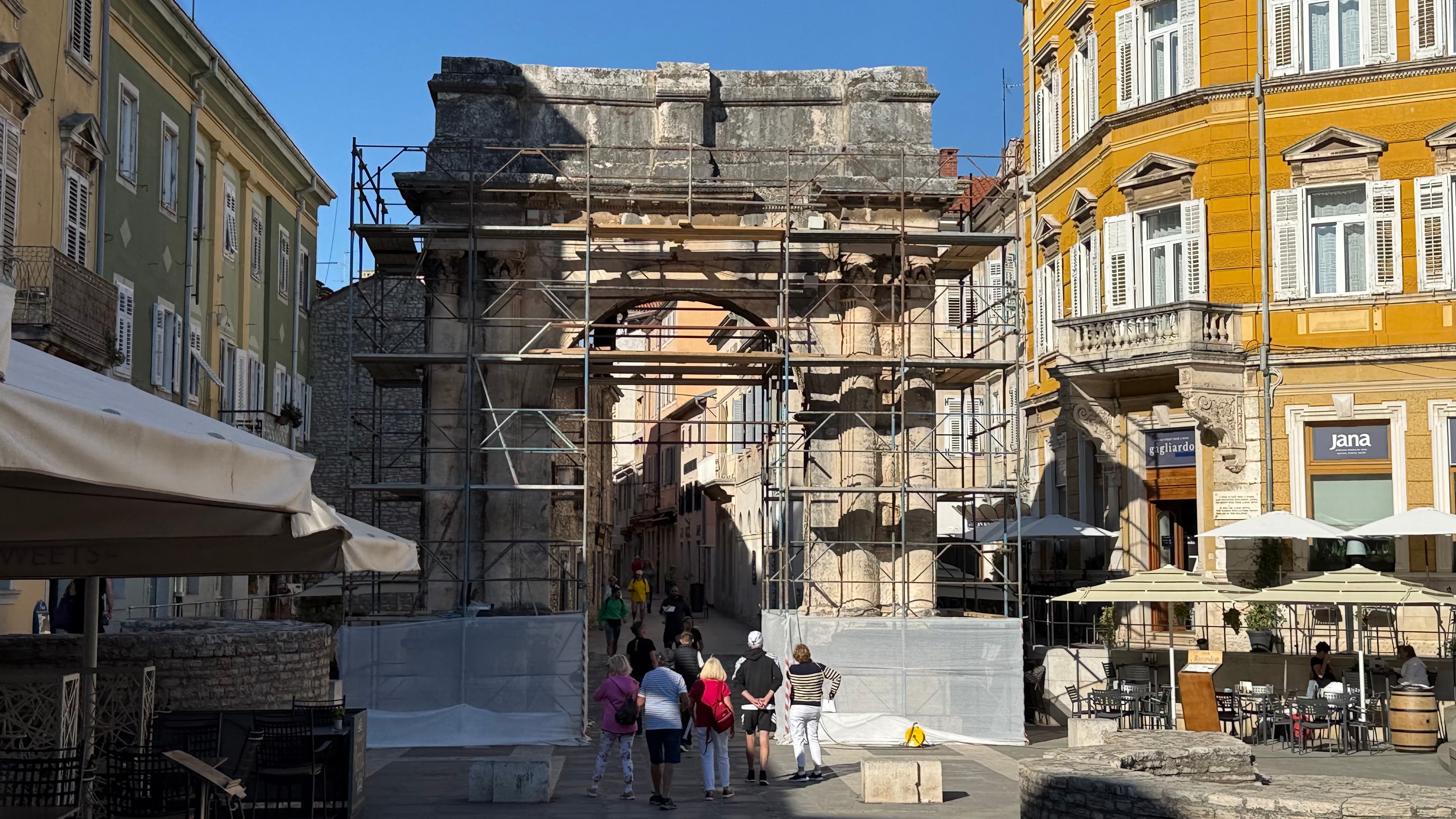
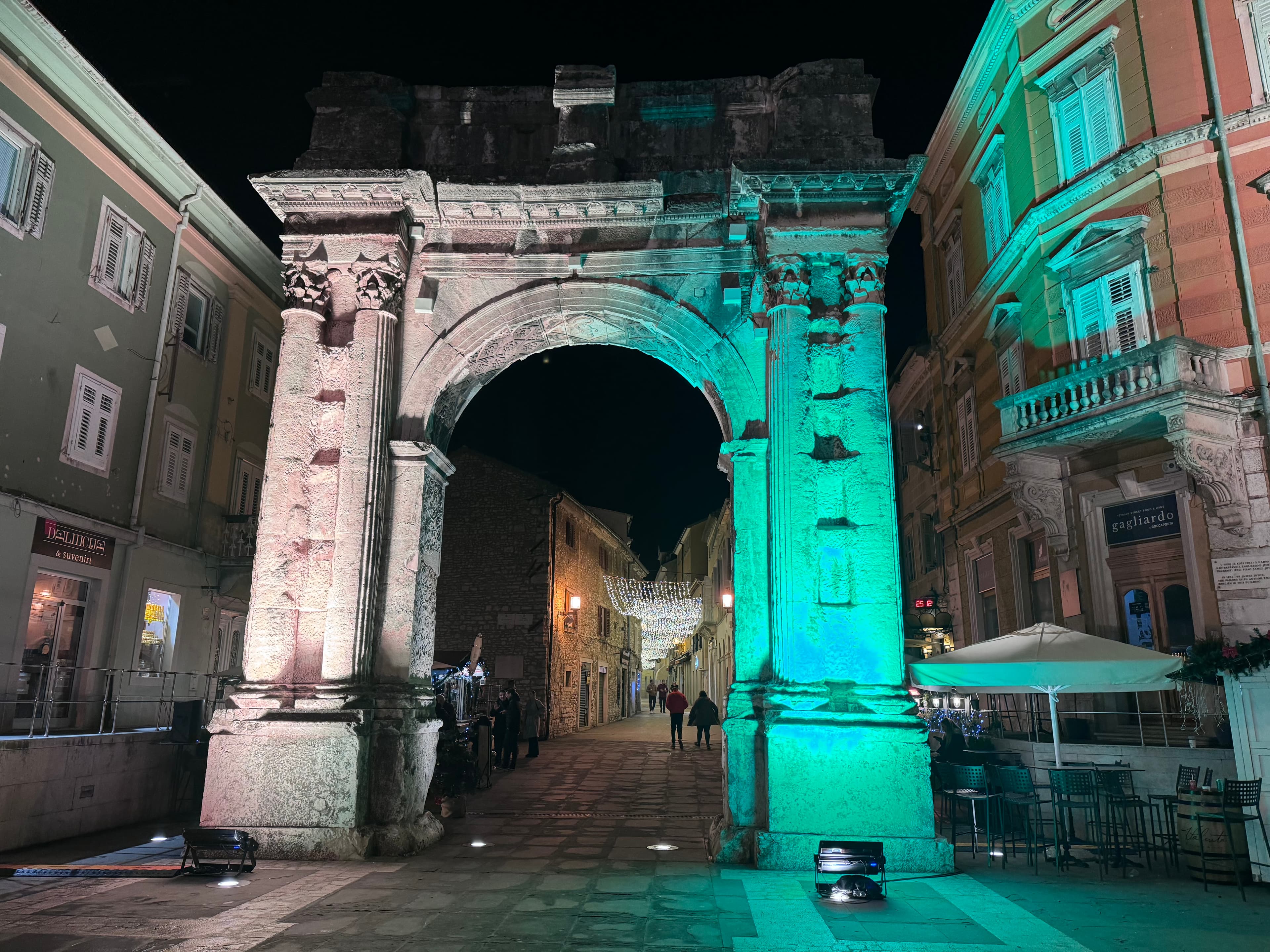
The Arch of the Sergii in Pula functioned as a heroön—a memorial to fallen heroes—commemorating three deceased members of the Sergii family through rich funerary symbolism including vineyard motifs, mythological creatures, and celestial imagery.

In the last decade of the 1st century BCE, Salvia Postuma—a woman married into the Sergii family—financed one of the earliest imperial arches, transforming private grief into a monument that masterfully united funerary commemoration with declarations of loyalty to Augustus.